
The Long Miles Between One Exit and the Next
The sun comes up early along the interstate, and by midmorning the road already carries a steady line of tractor-trailers. We spend a lot of time around overturned rigs, cargo spills, and shoulder closures, so we see the same pattern again and again. Many of those calls start with one bad turn, one rushed lane change, or one overloaded trailer. Along that stretch of highway, I-10 semi towing often begins after a rollover that could have been avoided.
Truck rollovers rarely happen because of one single mistake. A semi has a high center of gravity, a long stopping distance, and thousands of pounds moving in the trailer. If the cargo shifts or the driver enters a curve too fast, the truck can lean hard to one side. A few seconds later, the trailer may tip and pull the tractor over with it.
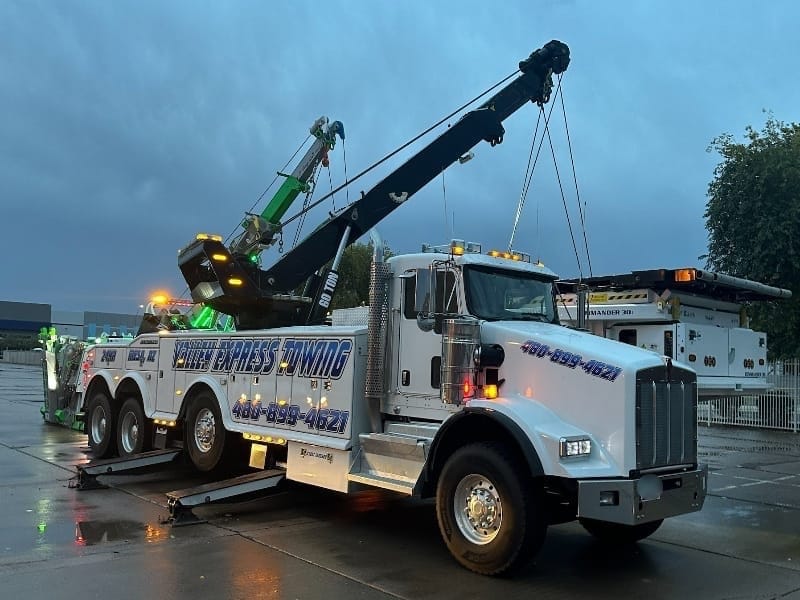
Common Causes of Truck Rollovers
Speed remains one of the biggest causes. A truck may feel stable on a straight road, then suddenly lean hard on an exit ramp or curve. Drivers often run into trouble after they brake late, steer too sharply, or react too fast in heavy traffic. Wind, rain, and uneven pavement can make that problem even worse.
Cargo also plays a huge role. A trailer loaded too high or loaded unevenly moves differently from a balanced one. We often see rollovers tied to these issues:
- Cargo stacked too high
- Loose freight that shifts in transit
- Too much weight on one side of the trailer
- Overloaded trailers
- Sudden steering on a downhill grade
Early Warning Signs We Should Never Ignore
Most rollovers give a warning before they happen. A truck may lean more than usual in a curve, or the trailer may sway slightly during a lane change. Drivers sometimes feel the steering wheel pull or notice that the load shifts behind them. During I-10 semi towing calls, we often hear drivers say they felt something was wrong a few moments before the truck tipped.
Regular inspections help catch those problems early. Tire pressure, suspension wear, loose straps, and poor load placement all deserve attention before a truck leaves the yard. During I-10 semi towing jobs, we often find flat spots on tires, broken tie-downs, and damaged suspension parts that likely played a role in the crash. A few extra minutes before departure can save hours of road closure and repair work later.
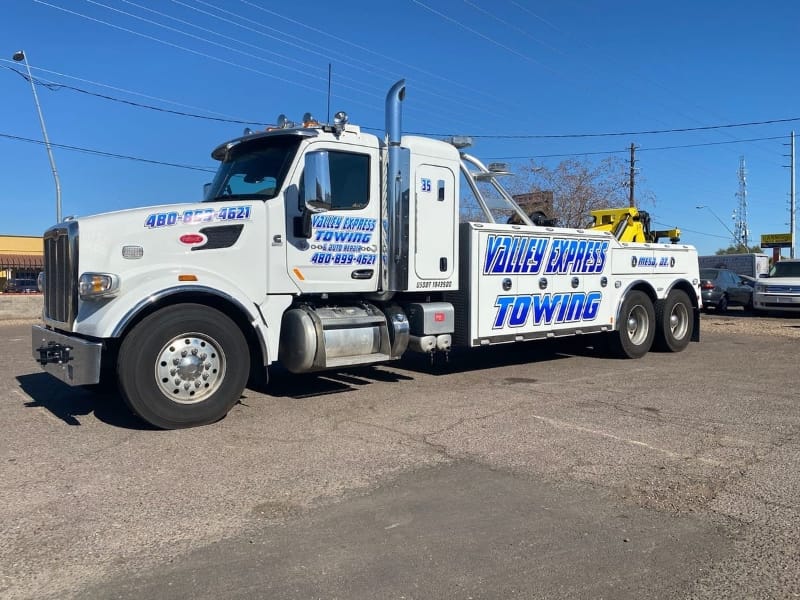
How Valley Express Towing Handles I-10 Semi Towing After a Rollover
At Valley Express Towing, we spend a lot of time helping drivers after difficult crashes and roadside emergencies. Our crews respond to overturned semis, jackknifed trailers, and cargo spills across the interstate. During I-10 semi towing, we first secure the area, check the trailer, and create a plan to lift the truck without adding more damage. That process takes patience, clear communication, and the right equipment for the size of the load.
We also talk with drivers about the events that led up to the rollover. Those conversations often point back to speed, cargo placement, fatigue, or poor road conditions. Every I-10 semi towing call gives us another chance to remind drivers and fleet managers about rollover prevention. Through I-10 semi towing, we continue to see that careful loading, slower turns, and regular inspections reduce the chance of a truck ending up on its side.
FAQ
What is the most common reason a semi truck rolls over?
The most common cause is entering a curve or exit ramp too fast. A semi truck carries weight much higher than a passenger vehicle, so sharp turns at higher speeds can cause the trailer to tip.
Can poor cargo loading cause a rollover?
Yes. Cargo that sits too high, shifts during travel, or places too much weight on one side can make a trailer unstable. Drivers should always secure and balance the load before leaving.
Do weather conditions increase rollover risk?
Rain, strong wind, ice, and uneven pavement all raise the risk. Wet roads reduce traction, and strong side winds can push against the trailer during turns.
How can drivers reduce the chance of a rollover?
Drivers can lower their speed before curves, avoid sudden steering, inspect the trailer, and keep cargo balanced. Staying alert and well rested also helps.
Are certain types of trucks more likely to roll over?
Tankers, livestock trailers, and trailers with tall loads face a greater risk because the weight sits higher and may move during travel.
What should a driver do if a truck starts to lean?
The driver should stay calm, ease off the accelerator, and avoid turning sharply. Quick movements often make the situation worse.