
When Box Trucks, Delivery Vans, and Work Trucks Need a Lift
Medium-duty towing plays a quiet role in keeping daily operations moving for businesses that rely on box trucks, delivery vans, and work trucks. These vehicles spend long hours on the road, carry real weight, and operate in places where breakdowns create immediate disruption. When something goes wrong, the response needs to match the vehicle’s size, setup, and working purpose. Medium-duty towing focuses on handling those realities with care, planning, and awareness of how working vehicles behave once they are no longer moving under their own power. We’ll give you the inside scoop on medium towing and how Mesa van towing works.
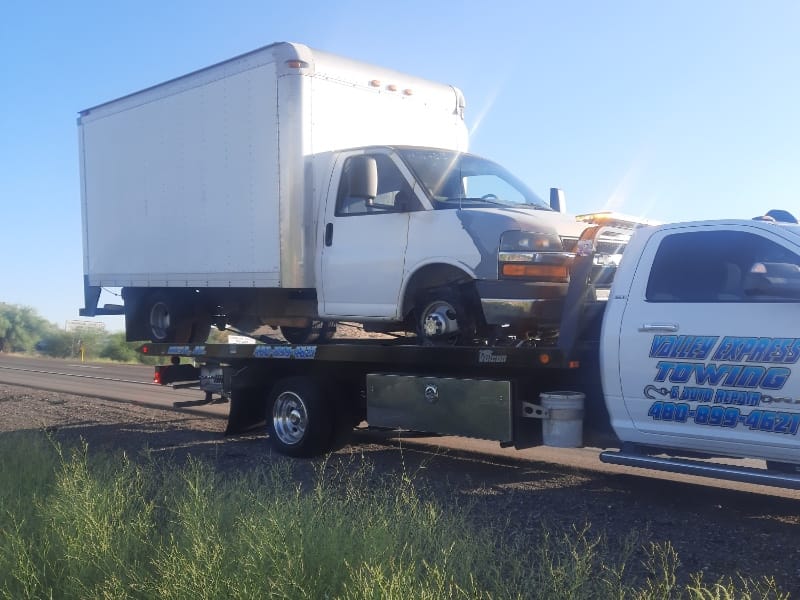
The Vehicles that Fall Into the Medium-duty Range
Box trucks are the most common medium-duty vehicles we tow. They show up loaded with tools, furniture, or freight, and that weight affects balance and braking during recovery. Delivery vans follow closely behind, especially those built on cutaway or cab chassis platforms rather than standard cargo vans.
Work trucks round out the group. These include service bodies, utility racks, and fleet vehicles used by contractors and municipalities. Their build means they need proper axle support and tie down points that match the frame, not the body.
Box Trucks and Load Balance
Box trucks are tall and square, which changes how they respond once they are lifted. We account for cargo shift, suspension compression, and rear overhang before any tow begins. A poorly balanced lift can stress frames or damage cargo areas. Our focus stays on keeping the truck level and controlled the entire time.
Delivery Vans With Commercial Builds
Many delivery vans look simple but hide commercial frames underneath. These frames carry more weight and sit differently than consumer vans. We check wheelbase length, rear axle rating, and ground clearance before choosing equipment. That approach keeps the van stable and avoids scraping or suspension strain.
Work Trucks With Added Equipment
Toolboxes, racks, compressors, and lift gates add weight where people forget to look. We take time to note those additions and adjust towing points accordingly. Work trucks demand patience because every setup is slightly different. Skipping that step leads to damage nobody wants.
How Medium-duty Differs From Light-duty Towing
The biggest difference comes down to control. Medium-duty vehicles require more planning before the truck ever leaves the yard. We look at weight ratings, brake condition, and how the vehicle sits when loaded.
Another difference is stopping distance and turning radius once the tow is underway. These vehicles react slower and wider than cars. That affects route choice, speed, and how we position the truck at pickup and drop off.

Valley Express Keeps Workdays Moving with Mesa Van Towing
Valley Express Towing works with medium-duty vehicles across the area, including box trucks, delivery vans, and work trucks. Mesa van towing is part of our daily workload because fleets and independent operators rely on vans to stay mobile.
We approach Mesa van towing by focusing on stability and control from the start. Mesa van towing often involves vehicles that sit right at the edge between light and medium duty. Mesa van towing also means accounting for shelving, lift gates, and cargo that changes weight distribution. Our work with Mesa van towing reflects how we treat all medium-duty jobs. We slow down, assess the vehicle, and choose the right method before moving an inch. That mindset keeps vehicles intact and drivers informed without unnecessary surprises.
FAQ
What vehicle weight range is considered medium-duty towing?
Medium-duty towing generally applies to vehicles that weigh more than passenger cars but less than large commercial semis. This category often includes vehicles built for daily commercial use that require stronger towing capacity and controlled handling.
Can medium-duty towing be used for vehicles with cargo inside?
Yes, many medium-duty vehicles are towed with cargo onboard. The tow setup depends on how the weight is distributed and how secure the load is at the time of the breakdown.
Does medium-duty towing require different equipment than standard towing?
Medium-duty towing involves tow trucks designed to manage greater height, length, and weight. These trucks are built to handle commercial vehicles without placing stress on frames or axles.
How long does a typical medium-duty tow take?
The time varies based on access, traffic, and vehicle condition. Most tows focus on careful loading first, since proper setup reduces delays and prevents further damage.
Are medium-duty tows limited to highways and major roads?
No, medium-duty towing often happens in parking lots, service areas, and industrial zones. These locations require careful positioning to move larger vehicles without disrupting surrounding activity.
What information should a driver provide when requesting a tow?
Drivers should share the vehicle type, approximate size, current condition, and any cargo details. This helps the towing provider arrive prepared for the specific situation.